
Adidas Adizero EVO SL Woven: Review After 100 Miles
After 100 miles in the Adidas Adizero EVO SL Woven: fit, ride, cushioning and durability compared with the original EVO SL, and who should buy each.
By Maciej KrólikowskiPublished 8 min read
Verdict at a glance
SHOOZ verdict
7.5/10
The same quick, lively EVO SL ride with a more secure upper and a tongue that finally stays put. Cushioning is moderate rather than plush, and the tighter fit will not suit every foot.
Best for
- Tempo runs and faster daily miles
- Long runs with pace changes
- Runners who found the original upper too loose
Skip it if
- Wide or high-volume feet
- Runners who want plush, max-cushion protection
- Runners who need extra stability
- Loose gravel, trails or harsh winter conditions
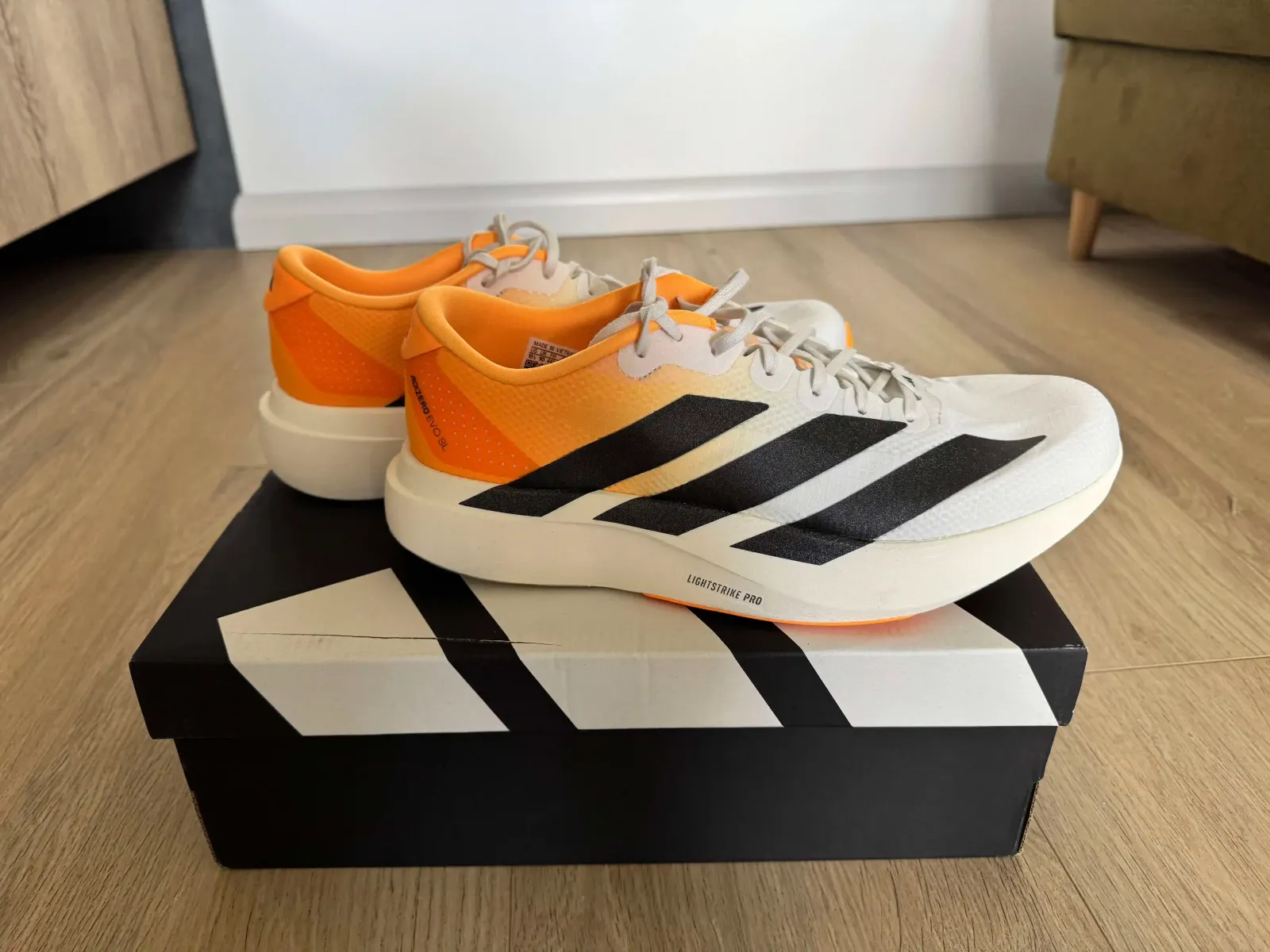
The first time I tightened the laces on the Adidas Adizero EVO SL Woven, I understood why this version exists. The shoe under my foot felt familiar, but the upper no longer felt like a loose cover sitting on top of a very good midsole. It actually held my foot in place.
That sounds like a small update. After 100 miles (161 km), I think it changes the character of the shoe more than the name suggests. The Woven is still light and quick, but it feels more controlled when the pace rises or the road turns.
It is not a clean upgrade for everyone. The improved hold comes with less room in the toe box and a little more weight, which is why the original EVO SL still makes sense for some runners.
First impressions and break-in
My first run was an easy 6.2 miles (10 km) with a few faster strides at the end. At an easy pace, the heel felt soft and slightly vague. Once I sped up, the foam compressed more quickly and the shoe rolled forward without the rigid feeling of a plated racing shoe.
The midsole also needed a little time. It felt more settled and lively after roughly 20 miles (32 km) than it did straight out of the box. The change was not dramatic, but the shoe became easier to run in at both steady and faster efforts.
That pattern continued through the test. The Woven can handle relaxed miles, but it is most enjoyable when the run has some purpose: a progression, a set of intervals or a faster finish that was not in the original plan.
Specs
The numbers behind the ride
- Weight
- 8.3 oz235 g
- Drop
- 7 mm
- Stack
- 37 / 30 mmheel / forefoot
- Category
- Performance daily trainer
- Surface
- Road
- MSRP (suggested price)
- $150
Specs are for a men's US 9, as listed by Running Warehouse. Colourways and current pricing are on the official Adidas product page.
Fit and sizing
I wore the same size I normally use in road-running shoes, which is half a size larger than my everyday footwear. That left about a thumb's width in front of my toes, enough room for my feet to swell on longer runs without letting them slide.
The Woven fits more closely than the original EVO SL. The midfoot feels more secure, while the toe box has less vertical space. My average-width foot was comfortable, but a wide or high-volume foot may feel pressure across the top.
The Woven fits true to size. That makes sense if your reference is another running shoe with proper space in front of the toes. If you are comparing it with casual sneakers, starting half a size larger is still the safer approach.
What the woven upper changes
The upper is the reason to choose this model. The woven textile has more structure through the middle and front of the shoe, so it does more of the holding instead of asking the laces to do everything.
The new gusseted tongue is just as important. It stays centered and spreads lace pressure more evenly. On the original shoe, the thin free-moving tongue could drift to one side; I did not have to stop and fix the tongue once in the Woven.
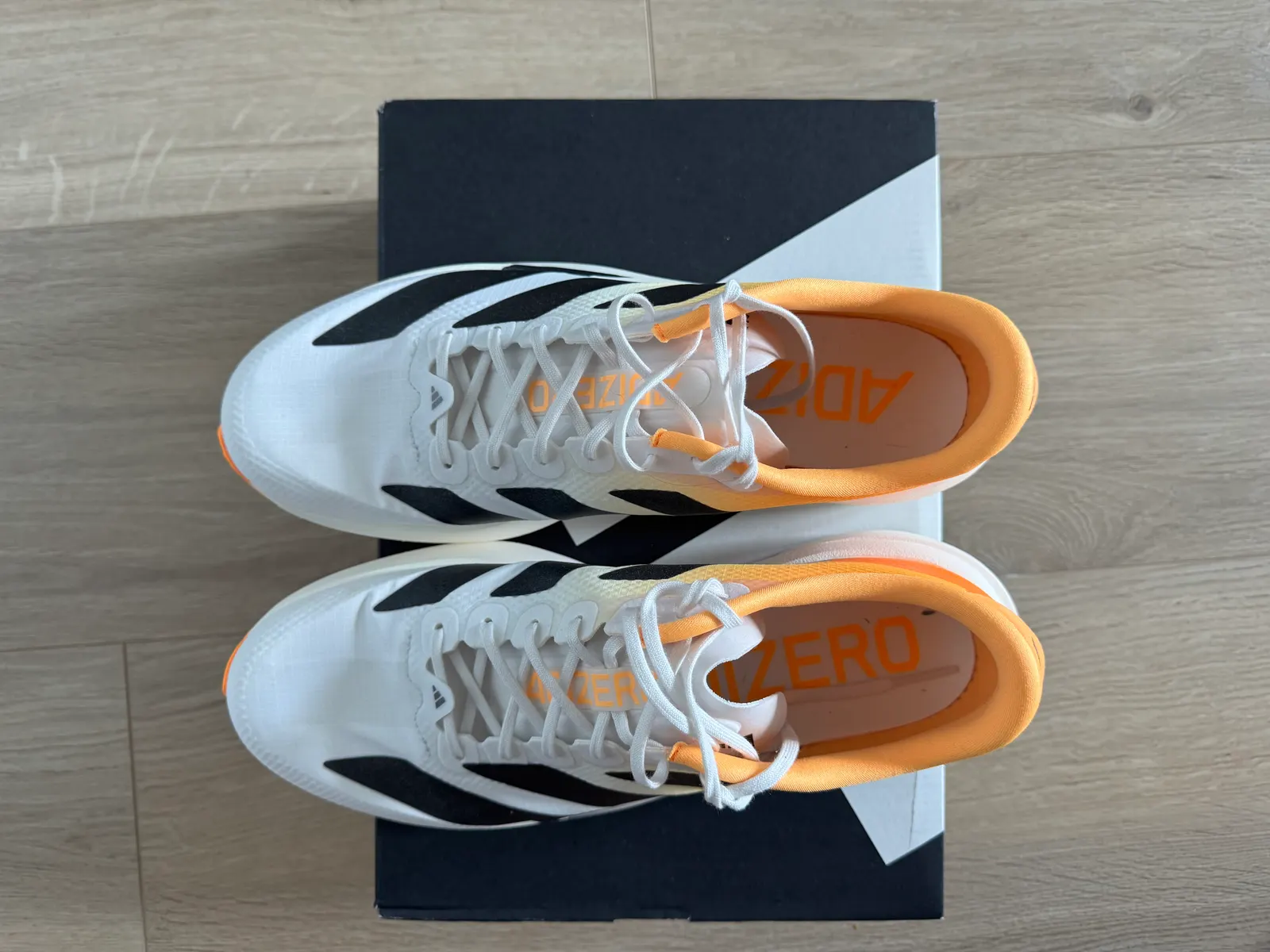
Lockdown is noticeably better on corners and faster intervals. My foot stayed over the platform instead of moving independently from it, which made the soft heel feel a little more controlled. The Woven is not a stability shoe, but it uses the same platform more effectively.
There are two trade-offs. The material feels less open and airy than the original mesh, and there is less room over the toes. The supplied laces are also still ordinary, although the better tongue makes them easier to live with.
Midsole and ride
Under the updated upper, this is still the EVO SL. The full-length Lightstrike Pro midsole is energetic without forcing the foot through a stiff transition. There is no carbon plate, so the shoe bends naturally and remains comfortable when the pace changes.
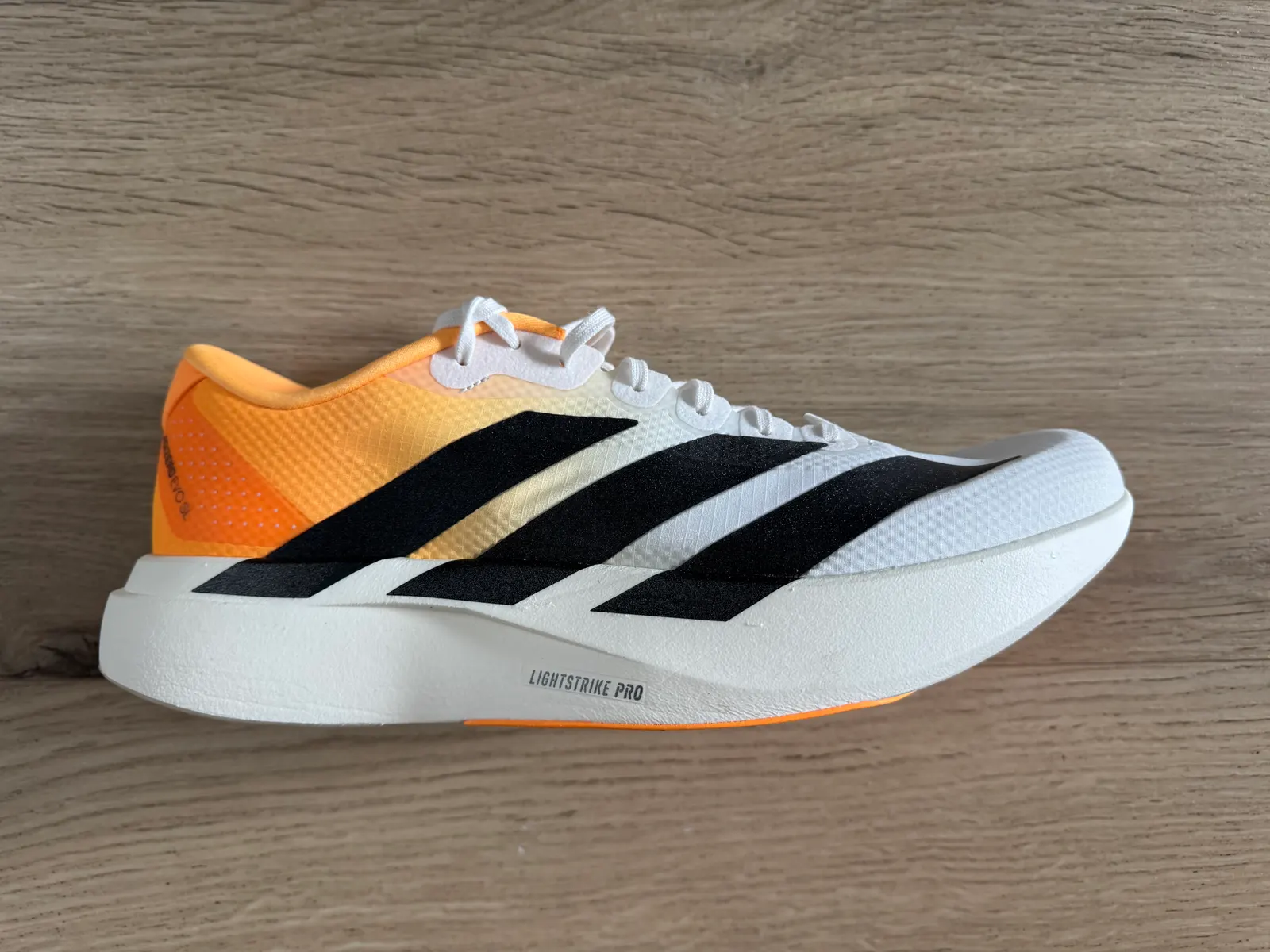
The cushioning is more moderate than the "super foam" label suggests. With a 37 mm heel, the Woven feels protective and springy when you run with purpose, but it is not a plush shoe. At easy pace I felt more of the road than I do in a max-cushion daily trainer.
Tempo runs are the sweet spot. The foam rebounds quickly, the forefoot feels light and it takes less effort to hold a steady rhythm than it does in a conventional daily trainer. Short intervals work well too, although a dedicated racing shoe will give a sharper toe-off.
My 12.4-mile (20 km) long run showed both sides. The low weight helped late in the run, but over the last few miles the ride started to feel noticeably firmer under my forefoot. On slow recovery days, the narrow heel also feels less planted than a broad daily trainer, which is why stability scores lowest here.
Test scores
What makes up the 7.5/10 score
- Cushioning
- 7/10
- Responsiveness
- 9/10
- Stability
- 6/10
- Comfort
- 8/10
- Durability
- 8/10
- Value for money
- 7/10
The overall 7.5/10 is the average of these six categories. I scored the Woven as a performance-focused daily trainer, not against a carbon-plated racing shoe. It earns its best marks for ride and fit at speed, and loses points for moderate cushioning, a narrow heel and a price that is rarely discounted.
EVO SL Woven vs. the original EVO SL
The practical answer is simple: choose between these shoes by fit, not by the midsole. The cushioning, geometry and road outsole deliver almost the same ride. What changes is how securely the shoe connects that ride to your foot.
| Feature | EVO SL Woven | Original EVO SL |
|---|---|---|
| Upper | Structured woven textile | Lighter engineered mesh |
| Tongue | Gusseted and stays centered | Thin, not gusseted and more likely to move |
| Fit | More precise through the midfoot, lower toe-box volume | More relaxed and roomier over the toes |
| Weight | About 8.3 oz (235 g) in men's US 9 | About 8.1 oz (230 g) in men's US 9 |
| Midsole | Full-length Lightstrike Pro | Full-length Lightstrike Pro |
| Suggested price | $150 | $150, but often discounted |
| Best for | Runners who value a secure hold and controlled fit | Runners who prefer more room or already like the original upper |
I would buy the Woven if my foot moved inside the original, if I planned to use the shoe for faster corners and intervals, or if both versions cost the same. The upper solves the original shoe's most common weakness without taking away the easy, flexible ride.
I would buy the original if it already fit well, if I needed more toe-box volume or if I found it on a meaningful discount. Paying more for the Woven makes little sense when you do not need the extra structure.
Outsole and durability after 100 miles
The outsole combines Continental rubber in the forefoot with lighter clear rubber at the heel, leaving some Lightstrike Pro foam exposed. It is a weight-saving road setup: durable rubber covers the areas that work hardest, while less rubber keeps the shoe light.
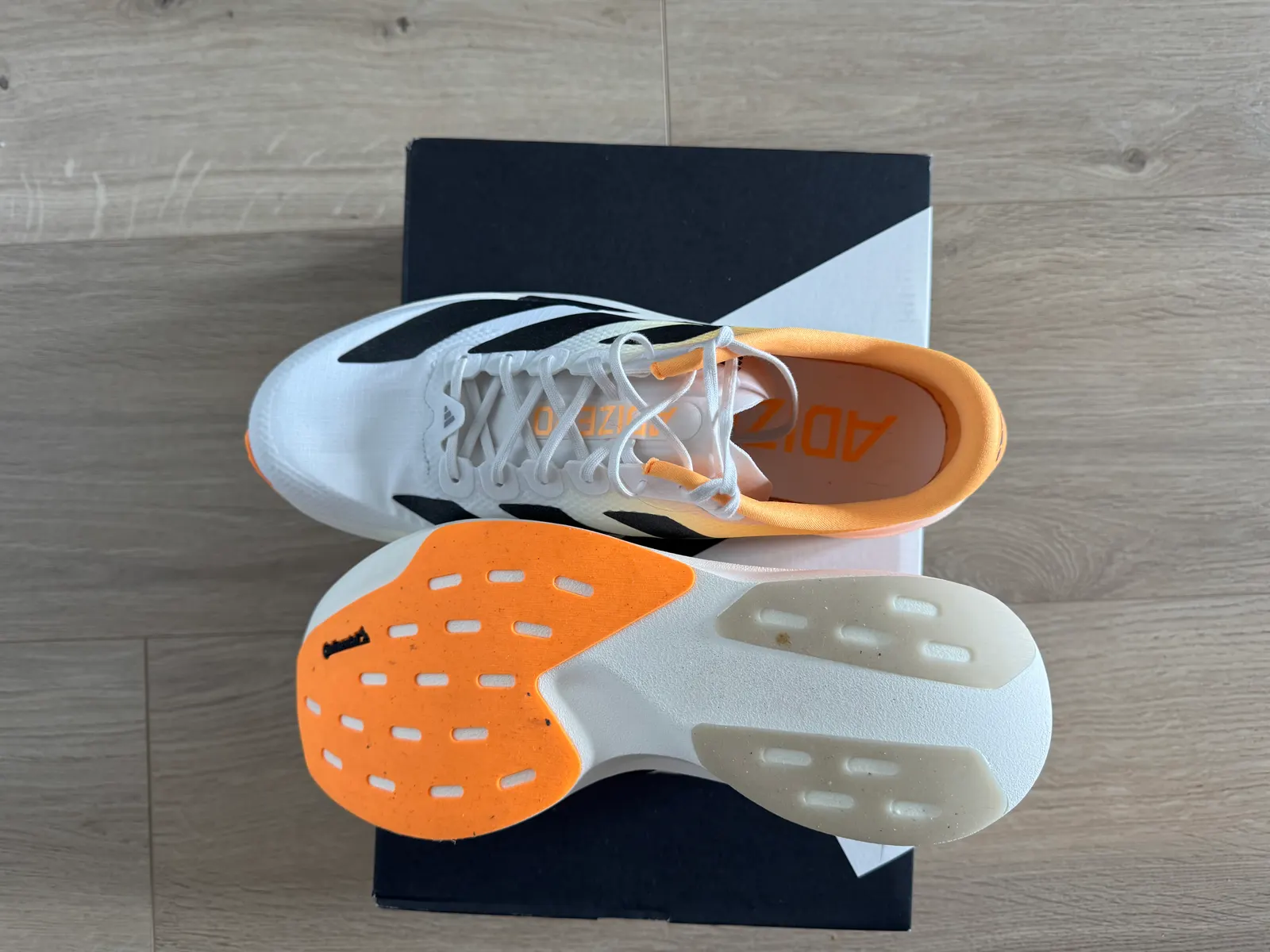
On dry roads and damp asphalt, grip has been reliable. The forefoot held securely during a tempo run in light rain, though I remained cautious on painted road markings. The shallow tread is not designed to dig into wet leaves, mud or loose gravel.
After 100 miles (161 km), the rubber has light smoothing in the busiest contact areas but no worrying damage. The exposed foam shows cosmetic scuffs, and that is where I expect the first real wear. The woven upper, stitching and tongue gussets remain intact, and the midsole still feels close to how it did after the break-in period.
Based on the wear so far, 370–500 miles (600–800 km) is a reasonable road-running estimate. The foam may lose some of its lively feel before the outsole is completely worn, and rough surfaces or heavy heel wear will move that estimate toward the lower end.
Expected lifespan
How long does the Adizero EVO SL Woven last?
Expect around 370–500 miles (600–800 km) before the cushioning noticeably fades.
Body weight, surface and shoe rotation will move that estimate. Calculate a range for your own running.
Who should buy the EVO SL Woven?
Buy the Woven if you want one light road shoe for daily miles, tempo sessions and long runs with faster sections. It works best for a neutral runner who likes a lively, moderately cushioned ride but does not want the stiffness of a carbon-plated shoe.
It is especially easy to recommend if you enjoyed the original EVO SL ride but disliked its upper. The woven material and gusseted tongue make the fit feel more finished and more dependable.
Skip it if you want maximum cushioning for slow miles, have a wide or high-volume foot, need a supportive stability platform or regularly run away from paved surfaces. The original EVO SL gives more room, while a model such as the Puma Deviate Nitro 3 provides a more planted platform and stronger all-weather grip.
Alternatives
Adizero EVO SL Woven vs. alternatives
| Shoe | Our score | Choose it if… |
|---|---|---|
| Adidas Adizero EVO SL Woven | 7.5/10 | Tempo runs and faster daily miles |
| Adidas Adizero EVO SL | – | you want a roomier, slightly lighter upper or find the original at a lower price |
| Saucony Endorphin Speed 4 | – | you want a more structured, plated ride for workouts and racing |
| Puma Deviate Nitro 3 | – | outsole grip and a more planted feel matter more than minimum weight |
Is the Adidas EVO SL Woven worth it?
Yes, if you want a light, lively road shoe with a secure fit and can buy it close to the original's price. If both versions fit, start with price. Buy the Woven when it is close to the original's cost and you want the more secure upper. Take the original when the discount is substantial and its roomier fit already works for you.
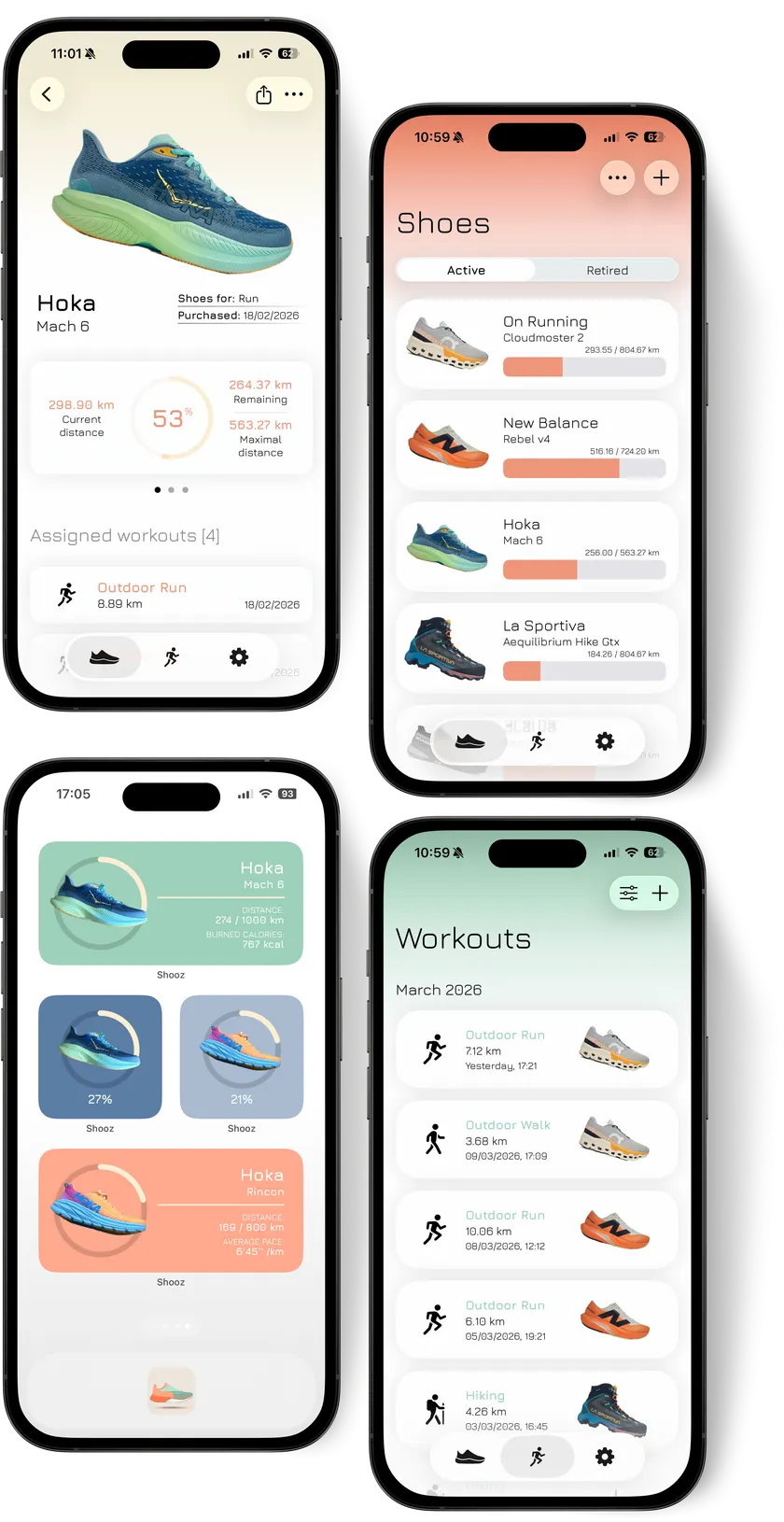
Whichever version you choose, record it in the SHOOZ App before the first run. The difference between a shoe at 100 miles and one at 400 miles is easy to miss when the mileage lives in your head; automatic tracking makes that decision much clearer.
SHOOZ · Running shoe tracker
Know exactly when to replace your running shoes
SHOOZ adds every run to the pair you wore and shows how much life it has left, so worn-out cushioning never catches you by surprise.
- + Mileage updates automatically from Apple Health
- + Remaining lifespan for every pair at a glance
- + Pace, time and stats for each shoe
- + Home Screen widgets and iCloud sync